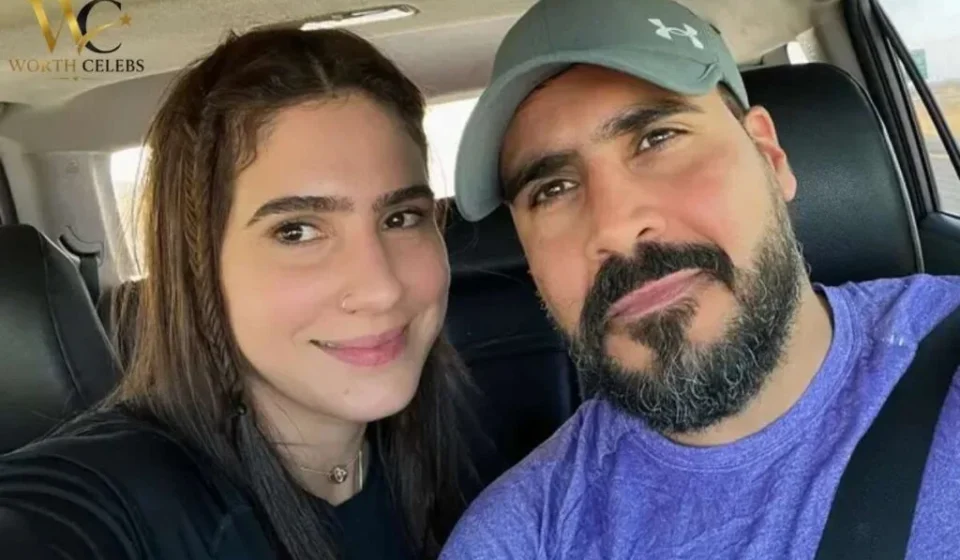

The search phrase “yinyleon cause of death” has attracted attention online because of social media posts, misleading headlines, and unverified claims about the online personality Yinyleon. When a celebrity or internet personality becomes the subject of a death rumor, people naturally want a quick and trustworthy answer. Unfortunately, the internet can make an unverified story look like established fact when the same claim is repeated across multiple websites and social platforms.
Based on publicly available information reviewed for this article, there is no credible confirmation that Yinyleon has died and no verified cause of death to report. Several websites discussing the rumor reach the same conclusion: the death claims circulating online are unsupported by an official announcement, credible mainstream reporting, or other reliable confirmation.
That distinction is important. A search engine result, TikTok video, reposted screenshot, or blog article is not automatically evidence that an event happened. In sensitive stories involving someone’s health or death, information should be checked against reliable sources before it is accepted or shared.
This article explains what is currently known, why the rumor gained attention, what claims have circulated, and how readers can evaluate similar stories in the future.
Yinyleon Cause of Death: Is She Actually Dead?
The most important question is whether there is a confirmed death.
At the time of writing, publicly available information does not provide credible confirmation that Yinyleon has died. Multiple online reports published in 2026 specifically state that no reliable death announcement has been found and that the circulating claims remain unverified.
This means there is also no confirmed cause of death.
It would therefore be misleading to present cancer, an accident, a medical emergency, or any other explanation as fact. A cause of death can only be responsibly discussed after a death itself has been reliably established.
Some websites have repeated different explanations, but repetition does not turn speculation into evidence. In fact, conflicting versions of the same story are often a warning sign that the information originated from unreliable sources.
Why Are People Searching for Yinyleon Cause of Death?
There are several possible reasons why this phrase has attracted search attention.
First, social media platforms make it extremely easy for emotionally charged content to spread. A short video with a dramatic caption can reach thousands or millions of people before anyone checks whether the underlying claim is true.
Second, search engines may display pages created specifically around popular queries. Once a rumor becomes a trending search, websites may publish articles targeting the exact phrase. That can create a feedback loop: people search for the rumor, websites publish about the rumor, and the increased number of pages makes the rumor appear more significant than it actually is.
Third, users often search for confirmation after seeing a post on TikTok, Instagram, Facebook, X, or another platform. The search itself does not prove that the event occurred. It simply demonstrates that people are looking for answers.
Reports discussing the Yinyleon rumor describe viral posts, emotional videos, copied articles, and misleading content as major contributors to the confusion.
The Difference Between a Search Trend and a Confirmed Event
One of the biggest lessons from this situation is that popularity does not equal accuracy.
A topic can trend because thousands of people are asking whether something is true. That does not mean the underlying claim has been verified.
For example, imagine a person sees a video saying that a famous creator has died. They search Google for the person’s name followed by “death.” Other people do the same thing. Websites notice the growing search interest and publish articles about the keyword.
Soon, dozens of pages may exist about the supposed death.
A reader who encounters those pages might reasonably think:
But all of those pages could ultimately be repeating the same original rumor.
This is why the quality and independence of sources matter more than the number of search results.
What Is Actually Confirmed About the Rumor?
The most defensible conclusion is straightforward: there is no verified public cause of death for Yinyleon because a credible death confirmation has not been established.
Several 2026 articles specifically state that there is no reliable public confirmation of her death. One report notes that no credible mainstream outlet has consistently confirmed a death, while another says there is no official statement or reliable evidence supporting the claim.
That does not mean every detail about Yinyleon’s private life is publicly known. It simply means that readers should not turn unverified claims into factual statements.
This distinction is especially important when discussing medical information.
Yinyleon Cause of Death and the Cancer Rumor
One of the most frequently repeated variations involves an alleged cancer diagnosis.
However, the sources reviewed do not provide verified evidence that Yinyleon died from cancer. Some websites explicitly describe the cancer claim as an unsupported rumor and state that no official medical statement or credible report confirms it.
It is therefore inappropriate to write that cancer was her cause of death.
There is a major difference between saying:
- “Some social media posts claim cancer.”
- “A website repeated a cancer rumor.”
- “Yinyleon died from cancer.”
The first two statements describe what is circulating online. The third presents an unverified allegation as fact.
Responsible content should always make that distinction clear.
Why Medical Rumors Spread So Quickly
Health-related rumors often generate stronger emotional reactions than ordinary celebrity gossip.
Words such as “cancer,” “hospital,” “accident,” and “sudden death” can immediately attract attention. Content creators who want clicks may therefore use these terms in thumbnails, headlines, and captions even when they have no reliable evidence.
Once a dramatic claim receives engagement, algorithms may expose it to even more users.
That creates a cycle:
- Someone publishes an unverified claim.
- Users react emotionally.
- The post receives views and shares.
- Other accounts copy the story.
- Websites write articles about the trend.
- More people search for the claim.
- The rumor appears increasingly credible.
The number of repetitions can grow while the amount of genuine evidence remains exactly the same: zero.
Did Yinyleon Die in an Accident?
Another type of rumor associated with online death stories involves an alleged accident.
There is no reliable evidence in the sources reviewed that establishes an accident as the cause of Yinyleon’s death. Some reports mention that accident narratives have circulated online, but they do not provide credible documentation confirming such an event.
Readers should be particularly cautious with accident stories because they can easily be fabricated using old photographs, unrelated news footage, or misleading captions.
An image of a damaged vehicle, hospital, police scene, or memorial does not automatically establish a connection to the person named in a post.
Fake Obituaries and Misleading Pages
Another reason death rumors can appear convincing is the existence of pages designed to resemble obituary or memorial websites.
A page may contain:
- A person’s name
- A photograph
- A birth date
- A supposed death date
- Emotional language
- A memorial-style headline
At first glance, this can look official.
But appearance is not verification.
A legitimate obituary or death announcement should be connected to a credible source, family statement, funeral home, established publication, or other verifiable record. Anonymous pages that provide no evidence should not be treated as authoritative.
Several reports discussing this particular rumor have warned readers about fake obituary-style pages and recycled online content.
How Social Media Can Create a False Sense of Confirmation
Social media is useful for breaking news, but it also has serious limitations.
A post can be shared thousands of times without anyone checking the original source. A creator may see another account making a claim and repeat it without verification. Eventually, the original source disappears from the conversation, while the claim continues spreading.
This is known as information cascades.
The same phenomenon can happen with celebrity death rumors. A user may post “RIP” as a joke, misunderstanding, or attempt to attract attention. Others interpret the post literally and create their own videos. Soon, people who have never heard the original story encounter dozens of posts suggesting that the death is real.
That is why social media volume should never be confused with confirmation.
What Makes a Death Report Credible?
When investigating a sensitive claim such as this one, readers should look for several independent indicators.
Official Family or Representative Statement
The strongest evidence usually comes from family members, representatives, management, or a verified official account.
Established News Organizations
Major reputable news organizations generally require confirmation before publishing a death report about a public figure.
Reliable Public Records
Depending on the circumstances and jurisdiction, official records may provide additional confirmation.
Consistent Reporting
If a major event has genuinely happened, reputable sources generally report consistent basic facts such as the date, location, and circumstances.
Named Sources
An article saying “sources claim” without identifying or explaining those sources should be treated cautiously.
A credible report should provide enough information for readers to understand where the claim came from.
What Should You Do When You See a Viral Death Post?
The best response is to pause before sharing.
Ask five simple questions:
- Who originally published this information?
- Is the source identifiable?
- Has the claim been confirmed by a reputable news organization?
- Is there an official statement?
- Are other credible sources independently reporting the same event?
If the answer to most of these questions is no, the story should be considered unverified.
This simple process can prevent misinformation from spreading further.
Yinyleon Cause of Death: Why Repeated Articles Are Not Proof
A common mistake is assuming that several articles saying the same thing represent several independent sources.
They may not.
Online publishers frequently rewrite or copy information from other websites. Five articles can therefore trace back to one original social media post.
For example:
Social media rumor → Blog A → Blog B → Blog C → Blog D
A reader may see four blogs and believe four independent sources confirmed the story.
In reality, they may all be repeating the same unverified claim.
This is why journalists and researchers look for independent corroboration rather than simply counting search results.
Why Clickbait Headlines Are So Effective
Clickbait works because it exploits curiosity.
A headline such as “You Won’t Believe What Happened to Yinyleon” creates an information gap. The reader wants to close that gap by clicking.
Death-related headlines are especially powerful because they combine:
- Fear
- Curiosity
- Surprise
- Emotional attachment
- Urgency
A website may therefore target a phrase such as yinyleon cause of death because users searching it are highly motivated to discover an answer.
That does not necessarily mean the publisher has new information.
Sometimes the entire article exists because the keyword is popular.
The Importance of Responsible SEO Content
Search engine optimization can help users find useful information, but SEO should not come before accuracy.
For sensitive topics involving death, health, or personal circumstances, writers should avoid presenting speculation as fact simply because a keyword has search volume.
A strong SEO article should:
- Answer the search intent directly.
- Clearly distinguish facts from rumors.
- Avoid invented details.
- Use trustworthy sources.
- Avoid sensational medical claims.
- Explain uncertainty honestly.
- Provide useful context.
- Use the target keyword naturally.
This approach is better for readers and creates more trustworthy content.
How Search Engines Can Amplify Rumors
Search engines attempt to provide relevant results, but relevance and truth are not always identical.
If thousands of people search for a particular phrase, websites may create pages targeting that phrase. Those pages can become visible in search results because they are relevant to the query.
This can create an unusual situation where the search results themselves yinyleon cause of death
A user searches:
“yinyleon cause of death”
They find dozens of pages.
The user may then conclude:
“Everyone is reporting this, so it must be true.”
But the correct interpretation may simply be:
“Many people are searching about this rumor.”
That is an important distinction.
Is There a Confirmed Cause of Death?
No confirmed cause of death can responsibly be provided based on the available information reviewed for this article.
There is no reliable evidence establishing cancer, an accident, a sudden medical emergency, or another specific cause.
Therefore, any article that confidently states a specific cause without credible documentation should be treated with skepticism.
The safest and most accurate conclusion is that the claim remains unverified.
What About Claims of an Autopsy?
Another type of online rumor involves supposed autopsy information.
However, the sources reviewed do not provide a verified public autopsy report establishing Yinyleon’s death or a medical cause. Claims about an alleged autopsy should therefore not be presented as factual.
Authentic medical and legal records are sensitive documents. Anonymous screenshots and social media posts are not substitutes for verified records.
If a website claims to possess an official document, readers should ask whether the document can be yinyleon cause of death

Why Silence Does Not Mean Death
A particularly common mistake is assuming that a person has died simply because yinyleon cause of death
Public figures can reduce their social media activity for countless reasons.
They may:
- Take a personal break.
- Change platforms.
- Focus on private matters.
- Reduce their online presence.
- Work on projects away from social media.
- Change their content strategy.
- Take time away from public attention.
Therefore, reduced posting should never be interpreted as proof of death.
Silence is not confirmation.
Yinyleon and the Broader Problem of Internet Death Hoaxes
Death hoaxes are not unique to Yinyleon.
Internet users have encountered false death reports involving actors, musicians, athletes, influencers,yinyleon cause of deathfigures for years.
The pattern is usually similar.
A false claim appears, emotional posts spread, people search for confirmation, and websites publish articles about the rumor. Eventually, the story becomes a topic of discussion even though the original claim had no reliable foundation.
The Yinyleon rumor is another example ofyinyleon cause of death
How to Verify Celebrity Death News
If you encounter a shocking claim about a public figure, follow a simple verification process.
Step 1: Search the Name Without the Rumor
Instead of searching only for “Yinyleon cause of death,” search for the person’s name alongside reputable news sources.
Step 2: Look for an Official Announcement
Check verified accounts belonging to the person, their representatives, or close family.
Step 3: Check Multiple Independent Sources
Look for established publications rather than dozens of small blogs repeating identical wording.
Step 4: Examine the Date
Old rumors often return years later. A video uploaded today may be discussing an event from years ago—or something that never happened.
Step 5: Avoid Sharing Until Confirmed
If you are uncertain, don’t repost the claim.
Waiting for reliable confirmation is better than helping a false story reach thousands of yinyleon cause of death
Yinyleon Cause of Death: What Readers Should Believe
For readers specifically searching this keyword, the answeryinyleon cause of death
There is no verified cause of death to report.
Available 2026 reporting reviewed for this article does not establish a credible death announcement. Several sources explicitly describe the circulating story as an online rumor and say there is no official confirmation.
That means claims involving cancer, accidents, autopsies, or other causes should not be presented as established facts.
If new information becomes available from an authoritative source, the situation could change. Until then, responsible reporting requires acknowledging the uncertainty rather thanyinyleon cause of death
Common Mistakes People Make When Researching Death Rumors
There are severalyinyleon cause of death
Trusting the First Search Result
The first result is not automatically the most reliable source.
Believing Emotional Videos
Sad music and dramatic images can make false information feel authentic.
Assuming Viral Means Verified
Virality measures attention, not accuracy.
Confusing Repetition With Evidence
Ten websites repeating one rumor do not equal ten independent confirmations.
Accepting Anonymous “Insider” Claims
An unnamed source without supporting evidence is not enough to establish a sensitive fact.
Sharing Before Checking
Every share gives misinformation yinyleon cause of death
The Bigger Lesson From the Yinyleon Rumor
The most valuable lesson is not simply whether one particular rumor is yinyleon cause of death
It is understanding how modern yinyleon cause of death
Digital platforms reward content that generates strong reactions. Unfortunately, false information can sometimes generate stronger reactions than accurate information.
A calm factual update may receive little attention.
A shocking claim about a sudden death can receive thousands of comments.
That creates an incentive for some publishers and social media accounts to prioritize sensational claims.
Readers therefore have an important yinyleon cause of death
By checking sources, questioning dramatic claims, and refusing to share unverified stories, yinyleon cause of deathdeathinformation environment.
Frequently Asked Questions
What is Yinyleon cause of death?
There is no verified cause of death because credible public confirmation of Yinyleon’s death has not been established. Current claims about a specificyinyleon cause of death
Is Yinyleon dead in 2026?
Based on the publicly available information reviewed for this article, there is no credible confirmation that Yinyleon has died. Several 2026 reports state that the death claims circulating onlineyinyleon cause of death
Did Yinyleon die from cancer?
There is no verified evidence establishing cancer as a cause of death. The cancer story is an unconfirmed online claim.
Was Yinyleon involved in a fatal accident?
No reliable source reviewed for this article confirms a fatal accident involving Yinyleon. Accident claims circulating online should therefore be treated as unverified.
Is there an official Yinyleon autopsy report?
No verified public autopsy report confirming her death and cause has been established in the sources reviewed.
Why is the Yinyleon death rumor spreading?
The rumor appears to have been amplified by viral social media posts, emotional videos, copied blog articles, and search-driven content. Reports discussing the story repeatedly point to online misinformation as a major factor.
Can TikTok confirm a celebrity’s death?
No. A TikTok video can report information, but it cannot by itself establish that a death occurred. Confirmation should come from reliable official or yinyleon cause of death
Why do fake celebrity death rumors become popular?
They attract strong emotional reactions, which can lead to comments, shares, views, and additional coverage. Once many people discuss a rumor, it can appear more credible than it actually is.
Should readers believe websites claiming to know the cause?
Not automatically. Readers should check whether the website provides a credible source, official statement, or independent evidence. If it does not, the claimyinyleon cause of death
Final Verdict on Yinyleon Cause of Death
The current evidence does not support claims that Yinyleon has died. There is no reliable, publicly confirmed cause of death, and claims involving cancer, accidents, or other medical explanationsyinyleon cause of death
The safest conclusion is therefore clear: there is no confirmed Yinyleon cause of death to report based on the publicly available evidence reviewed here.
Readers should be careful with viral posts, fake obituary pages, anonymous claims, and articles that repeat one another without providing original evidence. When a story concerns someone’s death or health, accuracy should always be more important than clicks.
If a legitimate official announcement ever becomes available, reputable news organizations and verified representatives would be the appropriate places to look for confirmation.
Until then, the responsibleyinyleon cause of death do not treat an internet rumor as a confirmed fact.