Closed Cell Spray Foam Insulation: The Complete Guide to Energy Efficiency, Durability, and Long-Term Savings

Modern homeowners and commercial property owners are constantly searching for ways to improve energy efficiency, lower utility bills, and create a more comfortable indoor environment. One insulation solution that continues to gain popularity is closed cell spray foam insulation. Known for its superior thermal performance, moisture resistance, and structural strength, this advanced insulation material has become a preferred choice for new construction projects and renovation work alike.
Unlike traditional insulation products such as fiberglass batts or cellulose, spray foam expands after application, filling cracks, gaps, and hard-to-reach spaces. This creates an effective air barrier that helps prevent energy loss and improves indoor comfort throughout the year.
In this comprehensive guide, you’ll discover everything you need to know about closed cell spray foam insulation, including how it works, its benefits, installation methods, costs, advantages, disadvantages, and why many homeowners consider it one of the best insulation investments available today.
What Is Closed Cell Spray Foam Insulation?
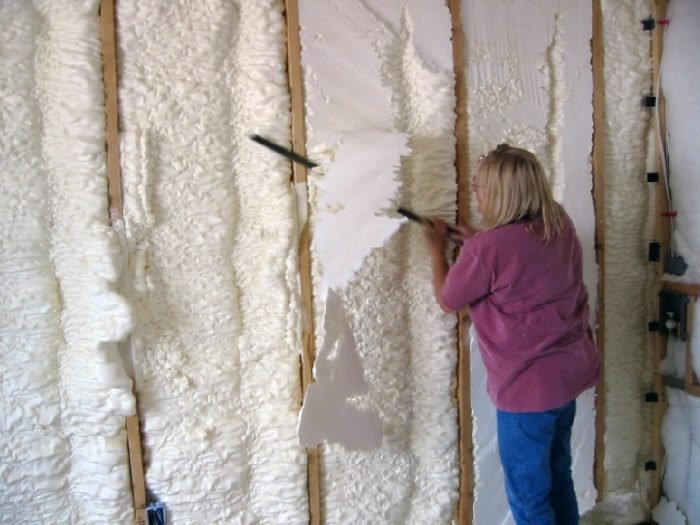
Closed cell spray foam insulation is a high-density polyurethane foam that expands when sprayed into walls, ceilings, crawl spaces, attics, and other building cavities. During installation, two liquid components combine and react, creating a rigid foam structure filled with tiny closed cells.
These closed cells are packed tightly together, making the material highly resistant to moisture, air movement, and heat transfer. The dense composition provides exceptional insulation performance while also adding structural reinforcement to the building.
Because of its unique cellular structure, closed cell foam offers significantly higher insulating value compared to many traditional insulation products.
How Closed Cell Spray Foam Insulation Works
The effectiveness of closed cell spray foam insulation comes from its ability to perform multiple functions simultaneously.
Air Sealing
One of the primary causes of energy loss in homes is uncontrolled air leakage. Small gaps around windows, doors, electrical outlets, and wall penetrations allow conditioned air to escape.
Closed cell spray foam expands into these spaces and creates an airtight seal that minimizes air infiltration.
Thermal Resistance
Heat naturally moves from warm areas to cooler areas. Closed cell foam slows this transfer, helping maintain indoor temperatures more efficiently.
Moisture Control
Because the foam contains sealed cells, water cannot easily penetrate the material. This helps reduce moisture-related problems such as mold growth and structural damage.
Structural Reinforcement
The rigid nature of the foam can increase wall and roof assembly strength, making buildings more resistant to external forces.
Benefits of Closed Cell Spray Foam Insulation
Many property owners choose closed cell spray foam insulation because of its wide range of performance advantages.
Closed Cell Spray Foam Insulation Provides Superior R-Value
R-value measures insulation effectiveness. The higher the R-value, the better the material resists heat transfer.
Closed cell foam typically delivers an R-value between R-6 and R-7 per inch, making it one of the highest-performing insulation materials available.
This means less insulation thickness is required to achieve desired energy efficiency levels.
Closed Cell Spray Foam Insulation Creates an Air Barrier
Traditional insulation often leaves small openings where air can pass through. Spray foam expands and seals these openings, reducing drafts and preventing conditioned air from escaping.
The result is a more comfortable indoor environment and lower heating and cooling costs.
Closed Cell Spray Foam Insulation Improves Moisture Resistance
Water intrusion can lead to mold growth, wood rot, and indoor air quality issues.
Because closed cell foam resists water absorption, it helps protect buildings from moisture-related damage.
This characteristic makes it particularly useful in humid climates and flood-prone areas.
Closed Cell Spray Foam Insulation Enhances Structural Strength
Research has shown that spray foam can increase the rigidity of walls and roof assemblies.
The hardened foam bonds to surrounding surfaces, helping strengthen the overall building structure.
Closed Cell Spray Foam Insulation Reduces Energy Bills
Energy efficiency remains one of the biggest reasons homeowners invest in spray foam insulation.
By reducing heat loss and air leakage, HVAC systems operate more efficiently, leading to lower monthly utility expenses.
Closed Cell Spray Foam Insulation vs Open Cell Spray Foam
Many people compare closed cell and open cell spray foam before making a decision.
| Feature | Closed Cell Foam | Open Cell Foam |
|---|---|---|
| Density | High | Low |
| R-Value | Higher | Lower |
| Moisture Resistance | Excellent | Moderate |
| Structural Strength | Strong | Flexible |
| Cost | Higher | Lower |
| Vapor Barrier | Yes | No |
| Water Absorption | Very Low | Higher |
Closed cell foam is generally preferred when maximum energy efficiency, moisture protection, and structural reinforcement are priorities.
Applications of Closed Cell Spray Foam Insulation
The versatility of spray foam allows it to be installed in many different areas.
Attics
Attics are a major source of heat gain and heat loss.
Installing closed cell foam along roof decks can significantly improve temperature control and energy efficiency.
Exterior Walls
Wall cavities benefit from airtight insulation that reduces thermal bridging and improves overall building performance.
Crawl Spaces
Moisture problems are common in crawl spaces.
Closed cell foam helps control humidity while improving insulation performance.
Basements
Basements often experience temperature fluctuations and moisture intrusion.
Spray foam provides insulation and moisture protection simultaneously.
Metal Buildings
Commercial and agricultural structures frequently use spray foam to prevent condensation and improve thermal performance.
The Installation Process for Closed Cell Spray Foam Insulation
Professional installation typically follows several key steps.
Inspection and Preparation
Installers evaluate the area and identify any moisture or structural concerns.
Surface Cleaning
Dust, debris, and contaminants are removed to ensure proper adhesion.
Equipment Setup
Specialized spray equipment mixes and applies the foam components.
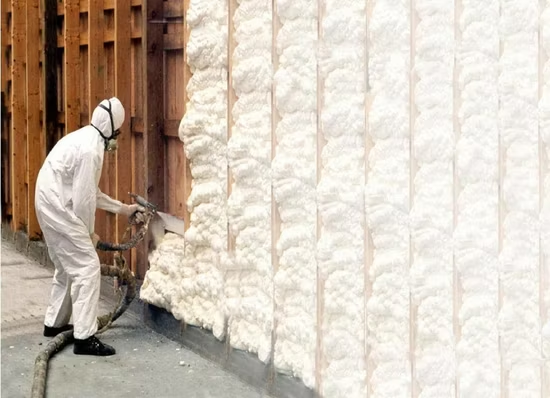
Foam Application
The material is sprayed into cavities and expands rapidly.
Trimming and Finishing
Excess foam may be trimmed after curing to create smooth surfaces.
Final Inspection
The completed installation is checked for coverage and performance.
Cost of Closed Cell Spray Foam Insulation
One of the most common questions homeowners ask involves cost.
Several factors influence pricing:
- Project size
- Foam thickness
- Accessibility
- Geographic location
- Labor rates
- Existing insulation removal
Although closed cell foam typically costs more upfront than fiberglass insulation, many property owners view it as a long-term investment because of reduced energy expenses and improved building durability.
Energy Savings from Closed Cell Spray Foam Insulation
Energy efficiency remains one of the strongest selling points of spray foam.
By minimizing air leakage and reducing heat transfer, homeowners often experience:
- Lower heating costs
- Reduced cooling expenses
- Improved HVAC efficiency
- More consistent indoor temperatures
- Greater year-round comfort
Over time, these savings can offset a significant portion of the installation cost.
Potential Drawbacks of Closed Cell Spray Foam Insulation
Despite its many benefits, there are some considerations.
Higher Initial Cost
Installation costs are generally higher than traditional insulation methods.
Professional Installation Required
Proper application requires specialized equipment and trained technicians.
Difficult Removal
Once cured, the foam adheres strongly to surfaces and can be challenging to remove.
Expansion Considerations
Incorrect application may create pressure within enclosed spaces.
Working with experienced professionals helps minimize these risks.
Maintenance Requirements
One advantage of spray foam insulation is its minimal maintenance requirements.
Homeowners should periodically inspect insulated areas for:
- Water leaks
- Physical damage
- Structural movement
- Pest activity
Under normal conditions, properly installed foam can last for decades without significant performance loss.
Is Closed Cell Spray Foam Insulation Worth It?
For many homeowners, the answer is yes.
The combination of high R-value, moisture resistance, structural support, and energy savings makes closed cell spray foam insulation one of the most effective insulation solutions available.
Although the initial investment may be higher, the long-term benefits often outweigh the upfront expense.
Properties located in regions with extreme temperatures can particularly benefit from the enhanced thermal performance and reduced energy consumption.
Best Places to Use Closed Cell Spray Foam Insulation
The most effective applications include:
- Attics
- Roof decks
- Exterior walls
- Basements
- Crawl spaces
- Metal buildings
- Pole barns
- Garages
- Commercial facilities
These areas often experience significant air leakage and thermal loss, making them ideal candidates for spray foam installation.
Future Trends in Closed Cell Spray Foam Insulation
The insulation industry continues to evolve with improved formulations and environmentally conscious manufacturing practices.
Future developments may include:
- Lower environmental impact blowing agents
- Improved fire performance
- Enhanced thermal efficiency
- Sustainable production methods
- Smart building integration
As energy efficiency standards become more demanding, spray foam technology is expected to play an increasingly important role in modern construction.
Conclusion
Closed cell spray foam insulation has transformed the way buildings achieve energy efficiency and indoor comfort. Its exceptional thermal resistance, air-sealing capabilities, moisture protection, and structural reinforcement provide benefits that extend far beyond traditional insulation materials.
Whether you’re constructing a new home, renovating an existing property, or upgrading a commercial building, closed cell spray foam insulation offers a long-lasting solution designed to improve performance and reduce energy costs. While the initial investment may be higher, the durability, efficiency, and potential long-term savings make it a valuable option for property owners seeking superior insulation performance.
By understanding how closed cell spray foam insulation works and where it delivers the greatest value, homeowners can make informed decisions that support comfort, durability, and energy efficiency for years to come.